How the 1976 Soweto uprising ignited a new wave of activism


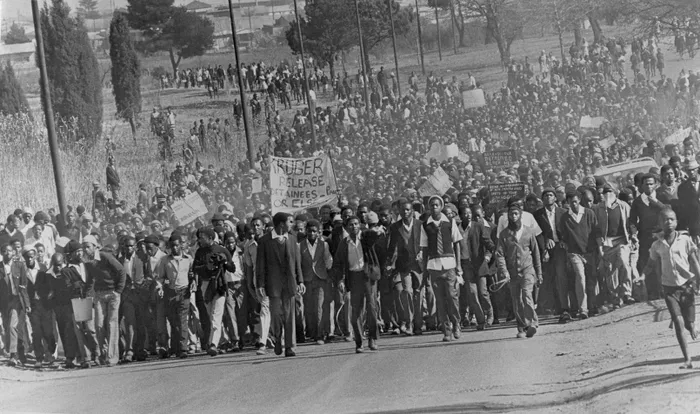
On June 16, 1976, thousands of students in Soweto took to the streets to demonstrate against Bantu Education and the imposition of Afrikaans in their schools.
Image: Mike MIZLENI / AFP
Fifty years after the June 16, 1976 Soweto uprising, its legacy still resonates across South Africa, particularly in the Western Cape, where communities continue to stage solidarity protests against apartheid.
June is observed annually as Youth Month, with June 16 commemorated as National Youth Day in honour of the role young people played in the liberation struggle. This year marks the Golden Jubilee of the Soweto uprising under the theme: “Reset@50 – The Future Calls”.
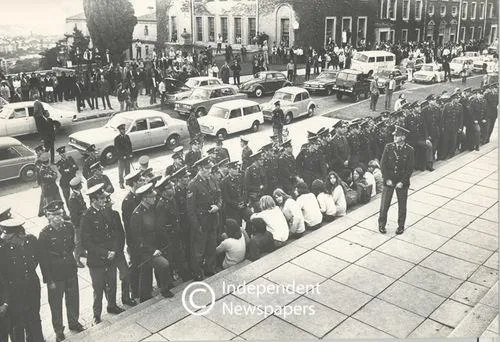
Archival pictures of protest at the University of Cape Town sparked in the wake of the June 1976 Soweto uprisings. Date of the photo is unknown.
Image: Independent Newspapers
Department of Women, Youth and Persons with Disabilities spokesperson Cassius Selala said the commemoration aims to honour the legacy of the 1976 uprising while empowering a new generation of young people.
Selala said the Soweto uprising — sparked by opposition to the compulsory use of Afrikaans in black schools — became a turning point in resistance against apartheid. He noted that black students across the country had already been protesting against the apartheid government’s education policies, before June 1976.
He said the uprising became a lasting symbol of youth courage, resistance and the fight for equality, education and human rights. According to Selala, June 16 also instilled a sense of responsibility among young people and inspired future generations to challenge injustice and fight for social change.
In the Western Cape, the Soweto uprising triggered waves of protests, school boycotts and unrest.
The Soweto Uprising remains a symbol of youth courage, resistance, and the fight for equality, education, and human rights in South Africa.
Image: Independent Media
On 24 June 1976, the principal’s office at Hlangisi Primary School in Nyanga was set alight. Days later, arson attacks spread to the Langa Post Office and Zimosa School.
By August, student activism had intensified. University of the Western Cape students held meetings in solidarity with Soweto pupils and launched class boycotts, while Hewat Training College in Athlone was later torched in support of the protests.
Further incidents included fires at schools in Struisbaai and Bellville South, while marches were held by pupils from Langa, Gugulethu and Nyanga. Selala said police closely monitored the demonstrations, and dozens of people were killed in looting-related violence.
He added that UCT students also marched toward the Cape Town city centre in protest before police intervened and arrested 73 students. In Bellville, about 600 coloured students from Bellville Training College clashed with police during demonstrations.
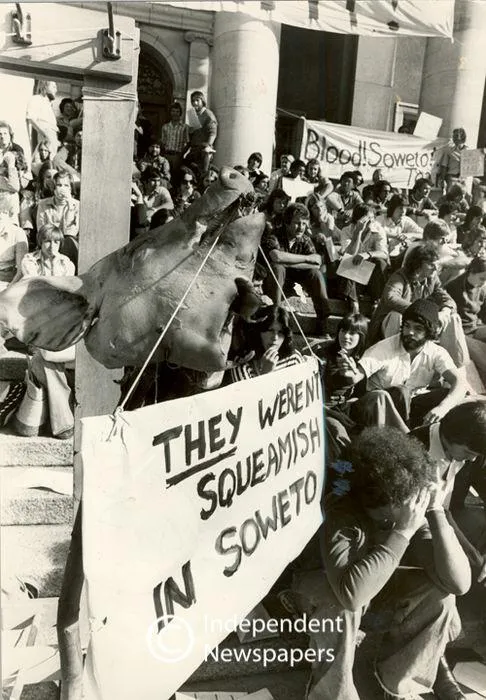
Archival pictures of protest at the University of Cape Town sparked in the wake of the June 1976 Soweto uprisings. Date of the photo is unknown.
Image: Independent Newspapers
Former ambassador to the United States Ebrahim Rasool, who was 13 and a pupil at Livingstone High School at the time, said the uprising profoundly shaped his political consciousness.
Rasool described Livingstone High as politically aware but rooted more in intellectual activism than direct political mobilisation. Following the Soweto uprising, pupils at the school held marches within the school grounds while police gathered outside.
“We saw the police outside our fences with their weapons, and it was the first real sense that we were dealing with a brutal state,” he said.
Rasool said his daily commute exposed him to the stark contrast between middle-class Claremont and the unrest unfolding in communities such as Manenberg and Elsies River. Through friends and protests in the city centre, he experienced teargas and police violence for the first time.
He said the 1976 uprising shattered the climate of fear created after the Sharpeville massacre, the Rivonia Trial and the banning of liberation movements in the 1960s.
Rasool said many families — particularly in Cape Town’s Muslim coloured communities after the death of Imam Abdullah Haron — had become fearful of openly discussing politics. But the generation of 1976, he said, broke that silence.
“This 1976 generation broke that barrier of silence and fear, and so, in a sense, my generation was the one who had to teach those who were the witnesses to the 60s massacres and jailings, we had to teach them (the older generation) again to become active.
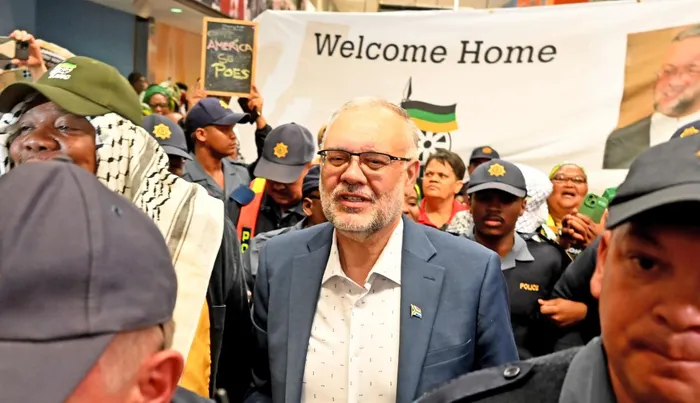
Ambassador Embrahim Rasool, who was a 13-year-old student at Livingston High School in the Western Cape during the June 16, 1976 uprisings, said that he was impacted by the Soweto Uprising and that they held solidarity protests within the school grounds.
Image: Ayanda Ndamane/ Independent Newspapers
He added that black consciousness ideology also forced coloured communities to rethink racial identity under apartheid. Inspired by Steve Biko, many young activists began identifying as black in opposition to apartheid’s racial divisions.
“For the coloured community, to call itself black, as taught by Steve Biko, was a big thing, because apartheid thrived on the fine separations between black, coloured, Indian, Malay, etc., and suddenly, there was this overarching identity.
Rasool said the generation of 1976 not only overcame fear, but also embraced more direct confrontation with the apartheid state after witnessing violence against schoolchildren in Soweto and across the country.